TAT - The untold stories There was a time when bankers feared NPAs, audits, inspections, and credit committees. Today, they fear something far more colourful: the next morning’s TAT dashboard . One red cell is enough to trigger panic. People raise queries they don’t believe in, send mails they didn’t need to, and work late not because the work demands it, but because the dashboard does. TAT has become the new blood pressure of banking — constantly monitored, aggressively compared, and widely misunderstood.
But before we decode the strange behaviours it creates, we must understand that TAT behaves differently depending on where you sit in the banking universe. --------------------------------------------------------------------------------------------------------------------------- The Three Worlds of TAT 1. Retail Banking — The TAT-Sensitive Planet Retail is banking’s microwave oven. Everything must be instant — sometimes even before the customer asks.
Expected TAT: Minutes to hours Pressure: Real-time, unforgiving, social-media driven Culture: “Reply first, analyse later” Retail is where TAT anxiety was born — and where it thrives most aggressively. 2. Mid-Corporate / Business Banking — The Goldilocks Zone Enough time to think, not enough time to relax. Expected TAT: 7–10 days Pressure: Balanced but document-heavy Culture: Reasonable — until Retail-style expectations are imposed here.
This is where unrealistic TAT expectations begin mutating into odd internal behaviours. 3. Wholesale Banking — The Structuring Universe The land of committees, covenants, models and legal choreography. Expected TAT: ~15 days Pressure: Political, analytical, nuanced Culture: “Complex deals take time… but why did this one take time?” This world preaches patience but demands speed — often simultaneously.
--------------------------------------------------------------------------------------------------------------------------- The Uneven Reality of TAT Across the Value Chain Across all three worlds of banking, one irony stands out clearly: The largest share of TAT sits with Branch and Business teams —because their work involves customer chasing, clarifications, revised documents, site visits, field verification, resubmissions, and constant follow-up. These steps naturally take time.
In many cases, four to eight times more than the internal processing cycle. Yet this delay is quietly accepted as “customer dependency” or “field reality”. Nobody escalates it. Nobody marks it red. Nobody questions it. But the moment a file reaches Underwriting or Operations — the teams with the least customer control and the highest responsibility for quality — the TAT stopwatch suddenly becomes rigid, sharp, and unforgiving.
The longest delays are normalised. The shortest delays are scrutinised. And the hardest parts of the process become the easiest targets. This is how TAT, instead of being a fair measure across the value chain, becomes selectively applied — not based on actual time taken, but based on where it is easiest to enforce pressure. TAT Threat The Competency–Role Mismatch Behind TAT Distortion This mismatch does something even more fundamental:it exposes a competency gap that few organisations acknowledge.
Very often, leaders with a pure Retail mindset are suddenly placed in charge of Mid-Corporate or Wholesale portfolios — terrains they have never navigated before. Their only reference point is speed. Their only comfort zone is volume. And their only tool is TAT. When such leaders rise through the ranks faster than their readiness , they try to run complex portfolios with a Retail lens — expecting instant responses, overnight document flows, and linear workflows in a world that is inherently layered, analytical, and compliance-heavy.
The result? Not efficiency. But stress, distortion, and misplaced pressure — all stemming from inexperience masquerading as urgency. This is not a behaviour problem. It is a competency–role mismatch , and one of the most common reasons why TAT becomes toxic instead of transformative.
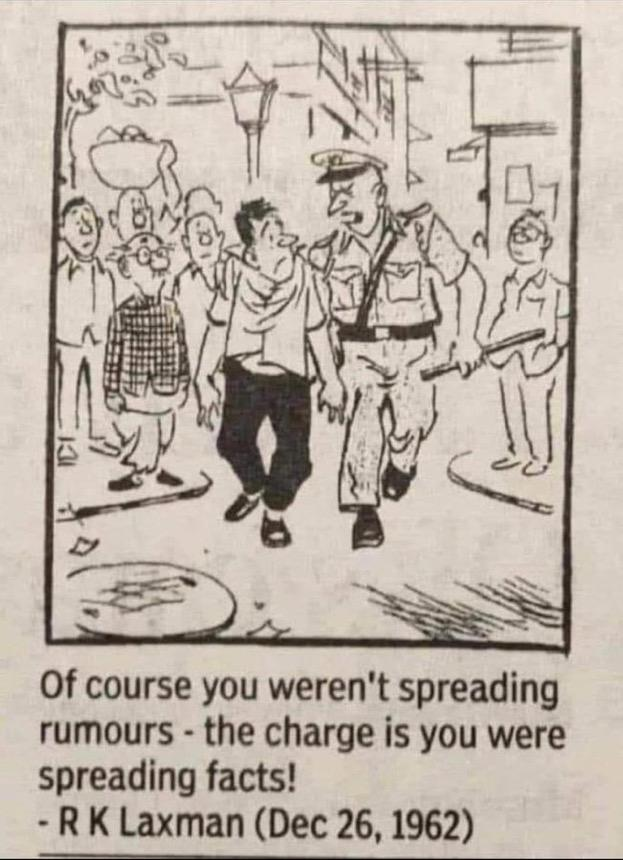
--------------------------------------------------------------------------------------------------------------------------- Where the Cultural Confusion Truly Begins Chaos emerges when: Retail timelines are forced on Mid-Corporate proposals One-week expectations are applied to structured corporate deals Wholesale-level documentation is expected overnight Sales-friendly delays are ignored, while underwriting delays are magnified TAT becomes a tool of pressure, not improvement This mismatch has created an entire ecosystem of new managerial archetypes — the kind R. K.
Laxman would have immortalised in satire, and Sibichen K. Mathew would have classified with wicked accuracy. Let’s meet them. --------------------------------------------------------------------------------------------------------------------------- The New Archetypes of TAT-Driven Banking 1. The Stopwatch Boss TAT - Stopwatch Boss Anything that takes more than 30 seconds is slow. Perfect for Retail; dangerous everywhere else.
This boss believes efficiency is measured in seconds. If you take time to think, analyse, or validate a document, you are “slow”. Their worldview is simple: Every file must move instantly Every query must be answered immediately Every update must be visible NOW Nuance, quality, or customer context does not matter. They hover, they push, they interrupt — not out of malice, but because their internal metronome is permanently set to urgent . 2.
The TAT Terrorist TAT Terrorist Escalations are their mother tongue. A 10:59 PM follow-up is routine. This one weaponises escalation. Their favourite tools? Red-font reminders All-caps subject lines Emails at 11:59 PM Threats of “marking seniors” They believe fear creates movement. But what they actually create is: Panic Poor-quality work A culture where teams respond defensively, not thoughtfully In their world, silence is provocation and speed is proof of loyalty. 3.
The Dashboard Devotee TAT Dashboard Devotee Lives inside Excel. Doesn’t ask if the work is correct — only why the cell is red. This archetype treats dashboards as sacred scripture. A green cell is grace, a yellow cell is sin, a red cell is apocalypse. They do not ask: Was the assessment sound? Were the documents correct? Did we serve the customer? Did we manage risk? They only ask: “Why is the dashboard not green?” Their day revolves around downloads, screenshots, pivot tables, and filters — while real process improvement is nowhere in sight. 4.
The TAT Philosopher TAT Philosopher Can deliver long speeches on efficiency. Hasn’t processed a real file in 15 years. This leader loves giving sermons on efficiency. They talk about: Process excellence Customer centricity Lean operations Digital leverage World-class banking But in practice, they: Don’t clear files on time Don’t know the ground realities Haven’t handled a live transaction in years Avoid taking decisions Their strength lies in speaking , not doing — and everyone knows it except them. 5.
The “Reduce TAT” Parrot Reduce TAT Parrot One-line vocabulary. Every issue → one answer → “Reduce TAT.” This archetype repeats one line in every meeting: “We must reduce TAT.” No suggestion, no insight, no action plan. Just repetition. They believe stating the goal is equivalent to achieving it. Teams hear the same refrain so often that it loses meaning — like a ringtone you stop noticing. 6.
The TAT Bypass Genius TAT Bypass genius Knows 100 ways to reset timestamps. Movement without progress. An expert in “managing” TAT without actually doing the work. Their tricks include: Marking files “received late” Sending mails at 11:58 PM to reset the cycle Logging queries only to buy time Selecting the timestamp that shows minimal delay To the system, they look efficient. To colleagues, they look clever. To customers, nothing actually changes. 7.
The Silent Killer TAT - The Silent Killer Sits on files for days. Asks, “Why the delay?” with a straight face. They delay quietly. No escalations, no queries, no movement — just a mute pause in the workflow. And then suddenly, at the review meeting, they ask: “Why hasn’t this moved yet?” The team scrambles to explain a delay that originated at the desk of the person asking the question.
This archetype thrives on ambiguity and escapes scrutiny because they say very little. 8. The 5-Minute Borrower Boss TAT - 5 Minute Borrower This boss believes that shorter conversations automatically mean faster TAT . So every customer meeting is compressed into a 5-minute sprint. The outcome?
How their meetings look Rushed and superficial Poorly understood discussions Half-baked commitments Minimal documentation No clarity, no closure And what happens next Customer revisits become inevitable Documents go missing Miscommunication snowballs Wrong expectations get set TAT actually increases instead of reducing The irony Their obsession with “quick meetings” creates longer customer journeys , more rework, and more dissatisfied customers. They don’t speed up the process — they speed up the confusion. TAT Martyr 9.
The TAT Martyr Works till midnight. Confuses exhaustion with achievement. They stay late, skip meals, sacrifice weekends — and broadcast it proudly. Their goal is to be seen as the hardest-working person in the room. They talk about “shouldering the burden” and “living for the bank”. But martyrdom is not a metric. And pushing themselves to exhaustion only creates a culture where burnout seems normal. 10.
The TAT Deflector This is not a boss-driven behaviour. It is a survival instinct. The TAT Deflector is typically the mid-office doer — the person who must actually close the file and accept accountability if timelines slip. So instead of completing the work, they find a safer option: TAT Deflector Raise a query. Any query. Even if: The PAN is already attached The note is already explained The data is already in the email trail A harmless doubt sent back to the Business team means: ⏱️ The TAT clock resets 📊 Their name disappears from the next dashboard 😌 Accountability shifts away, quietly Not progress.
Not risk assessment. Just TAT shuttlecock. In the system, they appear diligent. But in reality, they are managing dashboards, not decisions. ============================================================= The Heart of the Problem: Managing vs Monitoring TAT Banks routinely mix up two very different ideas: Managing TAT = Improving the Process Remove bottlenecks Simplify workflows Empower real-time decisions Adopt risk-tiered timelines Improve documentation flow Reduce true customer journey time This is structural improvement.
Monitoring TAT = Watching the Clock Dashboards Red/yellow/green rankings Escalations Pressure Naming & shaming Defensive behaviours This is surveillance — not improvement. Monitoring improves nothing; it only sharpens the art of avoiding accountability . Monitoring TAT The Closing Truth Monitoring TAT keeps people alert. Managing TAT keeps organisations efficient. Confusing the two keeps everyone miserable.
When TAT becomes a religion without context, bankers stop solving problems and start managing dashboards. Files move faster but decisions don’t improve. Teams respond quicker but customers aren’t served better. Work happens — but wisdom disappears. The real goal of TAT should be simple: Speed where needed. Depth where deserved. Wisdom everywhere. That is the TAT culture banking truly needs. Actually this factory produces nothing. It is just a device to employ labour. Copyright & Fair Use Disclaimer: Original R. K.
Laxman cartoons reproduced in this blog are © their respective copyright holders, including (as applicable) the family/estate of Shri R. K. Laxman and/or The Times Group. The images are used here solely for purposes of commentary, critical analysis, and education within a professional context — which aligns with fair use principles under Indian copyright law. No ownership, endorsement, or commercial association is claimed. All artworks remain the exclusive intellectual property of their rightful owners , and no disrespect or alteration of the original content is intended.
No revenue is being generated from this display, and access is non-commercial and informational . If any rights holder believes additional permissions are required or requests removal, I will fully comply immediately, with respect and gratitude . This content is a tribute to the artistic legacy of Shri R. K. Laxman, whose work has profoundly shaped India’s visual storytelling of everyday life.
Archive note
This essay was restored from Vivek Krishnan’s Wix journal. Its original wording and available visuals have been preserved.
This page is now the permanent canonical edition within Vivek Perspective.