THUREEYA / SAHASRAHARA - The overview / Big Picture
" The Brain "
One of the main challenges in the assessment methodology is – Dissection / eliciting information with the big picture in mind.
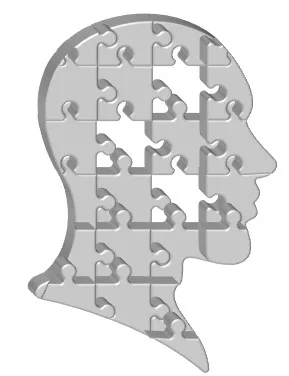
To understand this better, we take the example of a jigsaw puzzle with more than 50 pieces. The essence in solving the puzzle is first deducing the contour or the framework. So the outer most pieces are identified first which would create the frame and then the pieces within are solved.
It is this same approach that is warranted in Field investigations and Assessments. The ability to divine / imagine the BIG picture is critical. Thereafter reconstruction of information will happen automatically. The challenge today is that there is no framework in the minds of the Field Executive / Marketing Officer, who typically meets the customer. As he meets the customer he asks a few questions.
Thereafter when the file starts getting processed and questions arise, they are unable to answer. They cannot go back to the customer multiple times asking questions. So they come up with a solution - “ Answer on Best Effort Basis “. Based on their recollection during visits, they answer questions on behalf the customer. These get recorded and passed. The fact on file and the image created starts delineating from reality. This is the first and largest stage RED FLAG.
The genesis of the entire issue was a lack of sufficient domain knowledge by the executive / officer. He / She never created a profile of the customer OR never tried imaging the customer in their minds. Hence the questions asked by them to the Customer was superficial.
Pre-FI or Domain Validation, and industry information must be done compulsorily by the executives / officers. That is the only way that the framework will be formed in the minds and questions will be short and meaningful.
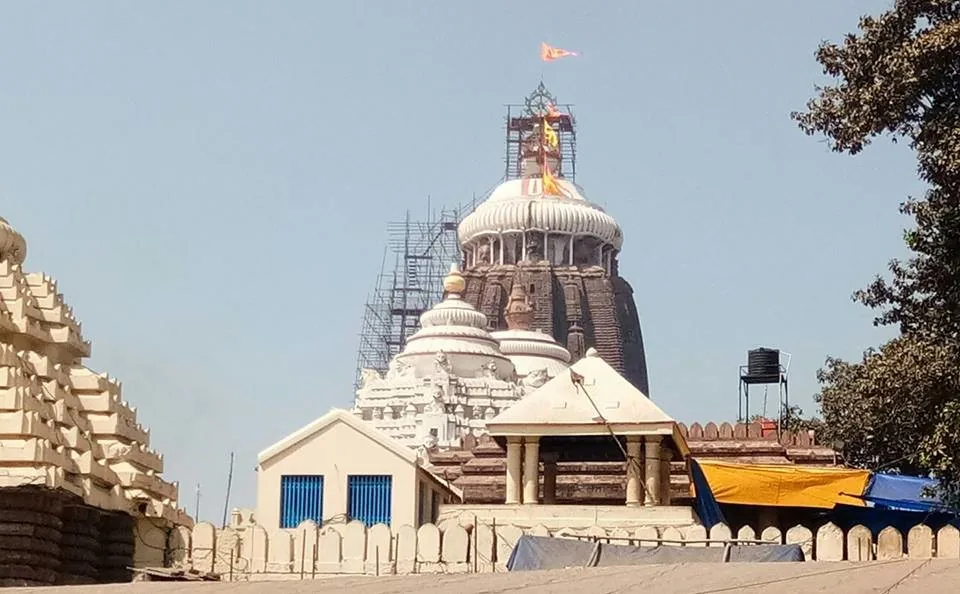
This concept is not new. Evidence of prototyping still exists. The temple of Lord Jagannath, at Puri, is lauded to be one of the supreme works of architechture in the country. One of the key questions that arises in our minds when we look at the towering edifice of the main temple is – How did they manage to carry stones to such heights in the absence of modern equipments like cranes ? More importantly how did the artisans work commonly to a uniform design ?
The answer to the first question is sand. Similar to how Egyptians constructed the pyramids. However, the latter question is answered by a small prototype which exists on the right side of the main sanctum. This prototype is a replica of the main temple. The framework was built. All artisans had to re-create this prototype in their minds towards a unified effort ! It is easier said than done.
Learning : The BIG PICTURE Framework is the key to solving the challenge of eliciting information correctly. This needs practice and training.
KUNDALINI Importance of being a Student / Need for a Mentor
" The Supreme "
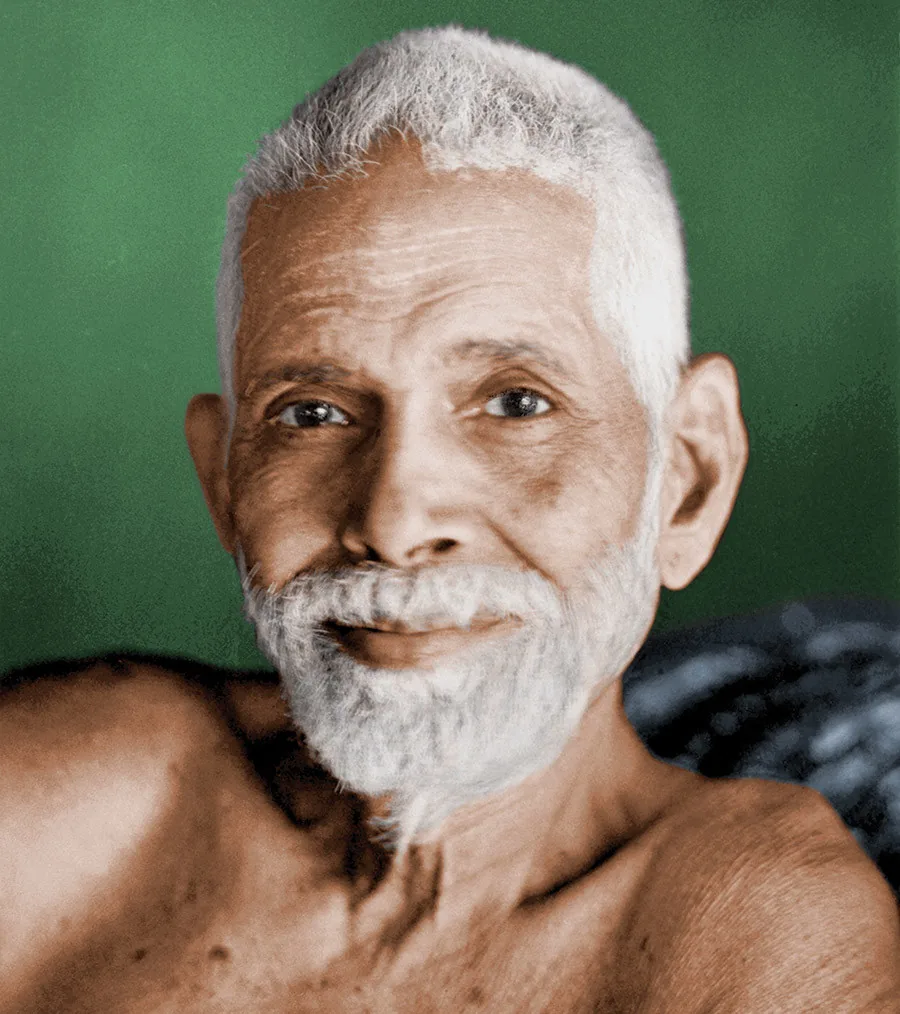
“I have never said that there is no need for a guru. All depends on what you call guru. He need not be in a human form.” – Ramana Maharishi ( https://en.wikipedia.org/wiki/Ramana_Maharshi )
As every study / science progresses, it has always evidenced one facet - The need for a Mentor / Guru. We need not have a single guru. Any person by whom our internalization of observations gets better and influences the way we think positively qualifies to be a mentor.
Any person who equips with the knowledge and the weapons / equipments to wield the knowledge is a GURU. Many a time, when we say Guru, people link this to a God man / Spiritual leader. Nay !
Spirituality is a domain. The science of Agriculture and Rural Financing is another domain. We can and should have Gurus in every facet. That is what makes us progress, and challenge ourselves to evolve with newer solutions.
What is the relevance of the GURU in the NAVA Chakras one may ask ?
It is the “EYE” in the centre. It is not the physical eye that sees. It is the Eye that internalizes what is seen. This is trained. The Trainer becomes GURU. The successful Guru is one who himself is a student who helps newer people / students realize their goals. This contiguous / progressive flow of information / knowledge needs to be woven in to the Corporate Being / Organization.
It is the KUNDALINI or the MASTER that controls the NAVA Chakras.
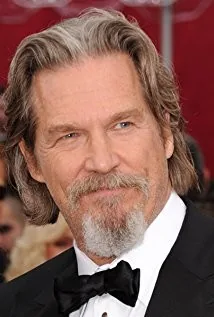
There are so many things that pop up. If you are paying attention, you can learn every second of the day. Life is my guru. – JEFF BRIDGES ( https://en.wikipedia.org/wiki/Jeff_Bridges )
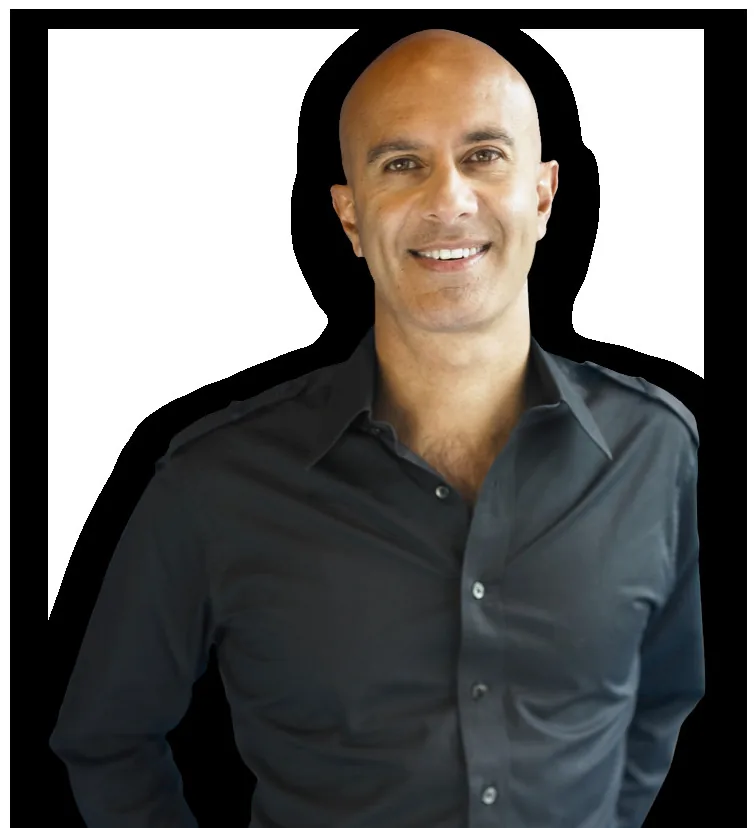
As for whether I am a 'new age guru', I am not at all. I help companies build employees who lead without a title and become high performers. – Robin Sharma ( https://en.wikipedia.org/wiki/Robin_Sharma )

Akshay Kumar is like a guru. He made a mark in the industry without any godfather. Akshay sir is a superstar only because of his hard work and talent. Arfi Lamba
https://en.wikipedia.org/wiki/Akshay_Kumar, https://en.wikipedia.org/wiki/Arfi_Lamba
These are some quotes which echo ideologies spoken of in this NINTH CHAKRA. This is the essential controller and definer of success of this entire framework.
KARMA - Internalization and Culture Creation
“The Atma”
As I concluded with my summary of the Eight Chakras, I realized that I had, in a way, become a Guru to my friend to the limited extent of helping him understand the real area of focus. All what is journaled here is only experiences which have been internalized and structured. This would help any person entering Rural Finance, in getting their perspectives and points of Actionable etched out clearly.
At the same time, I run my own path, seeking answers to many other questions that have emerged from the internalization of information.
Observation leads to information. Information internalized leads to Knowledge. Knowledge tied into intuition with Domain concepts leads to Gyan. (Expertise)
This Gyan scales up or benchmarks the Observation Model Adopted and the circle begins again. This process is quite iterative.
This iterative process generates an atmosphere conducive for growth and learning. This is the adaptation process. Similar to how an individual assimilates information, the collective learning of the organization grows to build and align its DNA.
The generation that joins new to this organization starts at a point where all collective learnings are available as ready reckoners, and urging to them to carry the baton forward.
This way, individual and dependence on single individuals is removed and builds new benchmarks for progression, where collective learning continues as generations retire and newer, younger blood joins the bandwagon. The need for the newer generations to re-invent wheels is low as generations of the past have recorded / left their footprints for us to follow in the current generation and take it to a new high.
-------------------- X X X X -----------------------
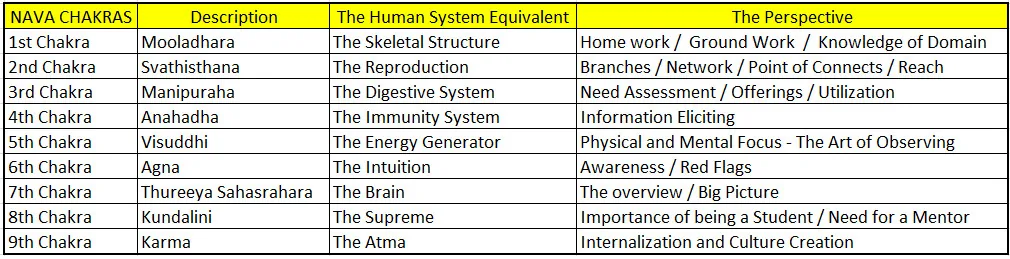
As the process progresses iteratively, answers we seek from our customers is closer to reality. The more closer we are to reality, the lesser is the error zone. Hence the product offering to the customer is aligned with reality. NPA reduces. In fact, reduces even arrears. Try it .. Today !
Archive note
This essay was restored from Vivek Krishnan’s LinkedIn archive. Its original wording and available visuals have been preserved.
This page is now the permanent canonical edition within Vivek Perspective.