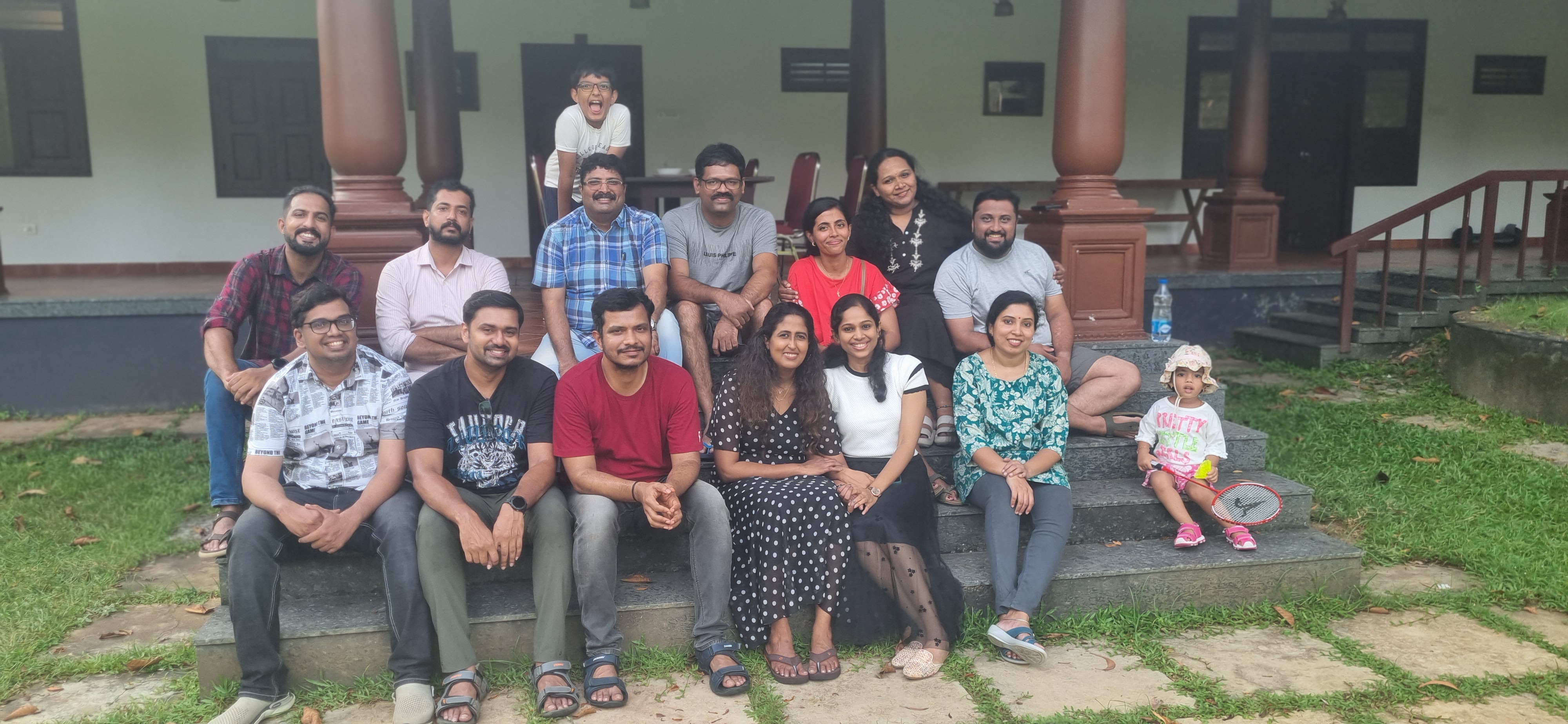
Whilst half the country over is immersed in fighting “Vedic” battles over the relevance of Onam and the Thiruvonam day, it has been quite an experiential learning exercise this season at the heart of it all in Kerala.
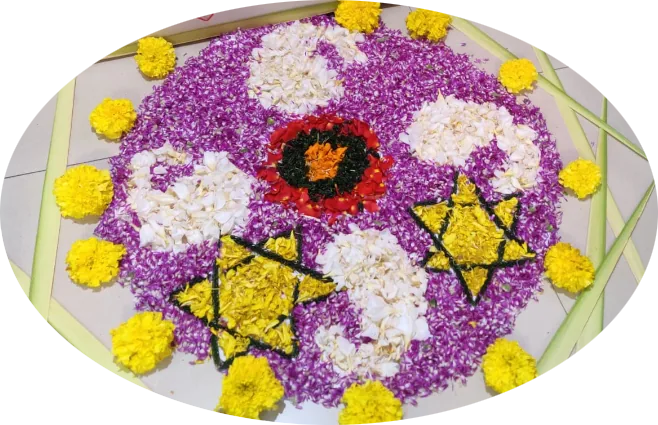
This onam, we decided to try own recipe of “POOKOLAM” (the name given to floral decoration / arrangement). As I deciphered and recorded the different aspects, I personally had a lot of take-aways. Some of my friends found this novel and interesting and hence presenting some perspectives.
Note 1 : The Design
The selection of design is a function of our ability to convert any design in geometric shapes with congruence and symmetries. The beauty of the mind to convert any design into mirror-able symmetries is indeed astounding. The complexity or the aesthetic is the creator’s call. The design in a pookalam is ideally chosen keeping the time paradigm in mind, as well as number of resources available.
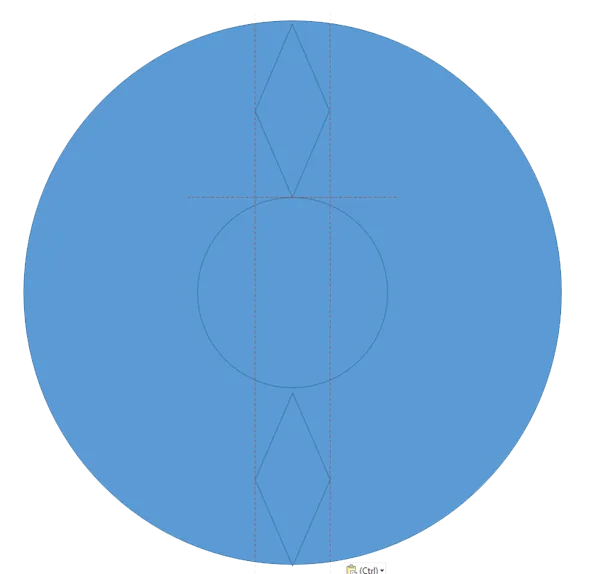
I was never a great fan of mathematics or geometry, and yet here I was applying all the principles of geometry, ratios, measurements of scale et al.
Having a design plan, is like a vision statement. It helps in defining the goal.

Note 2 : Collaboration
The design gets discussed with all stakeholders. Each stakeholder will make amends to the original design. It is in that “mend” that the seed of acceptance is sown. Take care not to trample it ! The design in itself would be an inspiration and each sees it from their own eyes of experience and nurturing. To each it speaks and connects differently. So what emerges finally is the mission statement.
Note 3 : Colours and Cost
It is ideal to have an idea of the colours that we want. The market has different offerings – which is most suited / cost-effective for me ?
Many a time, cost/budget is a constraint, given that the Onam Floral Wholesale Market undergoes a frenzied price spike just for the season.
Note 4 : The time Paradigm
This works beautifully at 2 layers :
(a) Did you know you could regulate the shade version of the flower, by timing the purchase accordingly ? Yes, it is true.. So I could purchase some rarely varieties a day in advance or the common marigold if purchased a day ahead does tend to add a tint of grey to their otherwise lustrous colours.
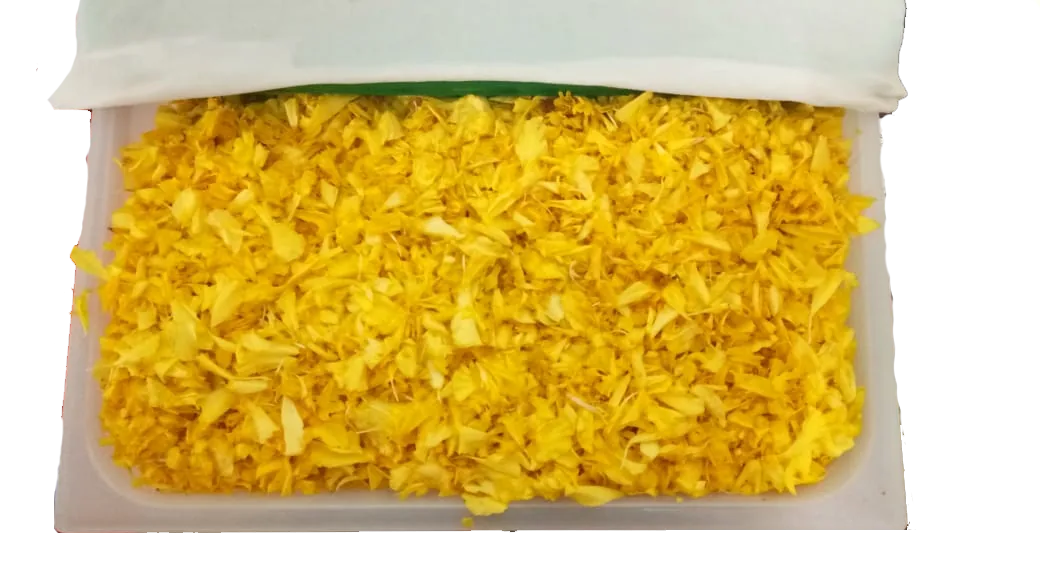
Since there is a constant inflow in the market , there is no way to tell how fresh these flowers are at the point of purchase. They appear to be fresh as you buy them and start to rot sooner than you anticipate. So common caveats – don’t buy pre-packed packets, don’t linger too long with a vendor, don’t negotiate too hard – you’re likely to be on the wrong end of the deal – irreparably! Its wise to work within known boundaries of control.
(b) Resources availability and proximity to availability of flowers will determine our stocking strategy. If the kind of colours we need are found in the big mandi on the other side of the city, resources will need to be ear-marked. Resources which otherwise could help you complete the mission, will be used in errands to ensure we don’t stop work, in the interest of time. The component of Oppurtunity Cost steps in here.. This is where invariably designs undergo a change / makeover.
Note 5 : The Kanizsa Triangle
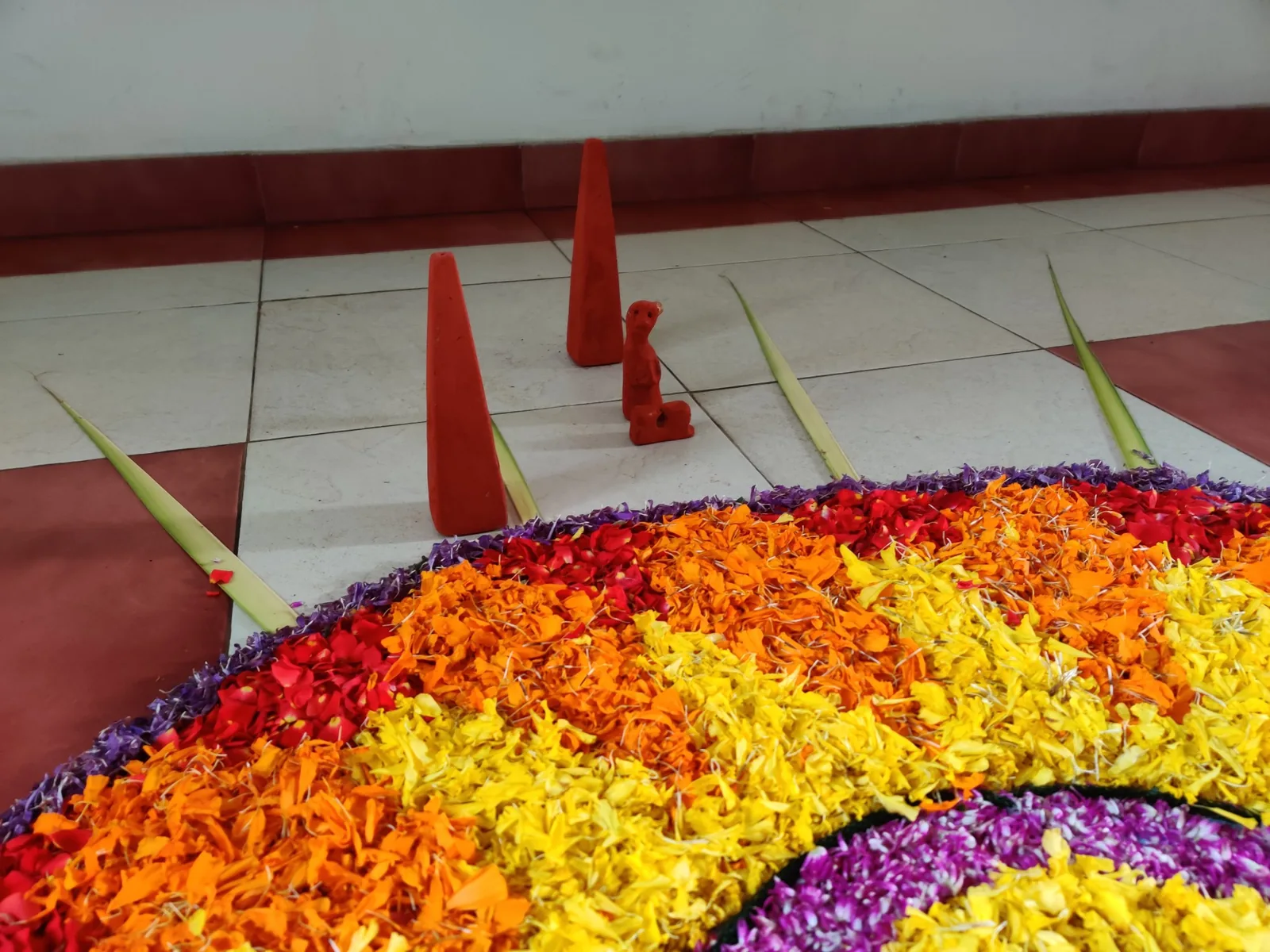
Years ago, I chanced to read upon the Kanizsa triangle and the optical illusion that it creates. Here, the usage of the flowers, the spacing, the sweeping voids – I learnt were methods which use the mind’s cognitive capability to fill voids and appear symmetrical in the viewer’s mind.

The Kanizsa Triangle illusion was first described in 1955 by an Italian psychologist named Gaetano Kanizsa. In the illusion, a white equilateral triangle can be seen in the image even though there is not actually a triangle there. The effect is caused by illusory or subject contours.
The explanation of an elderly gentleman, amazed me, when we stated the each of these colours had a complementing combination and were typically mapped to flowers that were available in the season.
So, a new lesson learnt – Blind spots and optical illusions can be wielded to our advantage.
Note 6 : The Flowers
The way the petals from each petals are plucked also differentiates shades in the respective colour. A petal has typically 3 / 4 shades to exhibit. (depends on flowers). When we pluck the petals from its root, the root heads are tipped black. At an individual petal level it might seem insignificant. Yet, when grouped together, it can add a tint to the eye which was never intended as part of design.
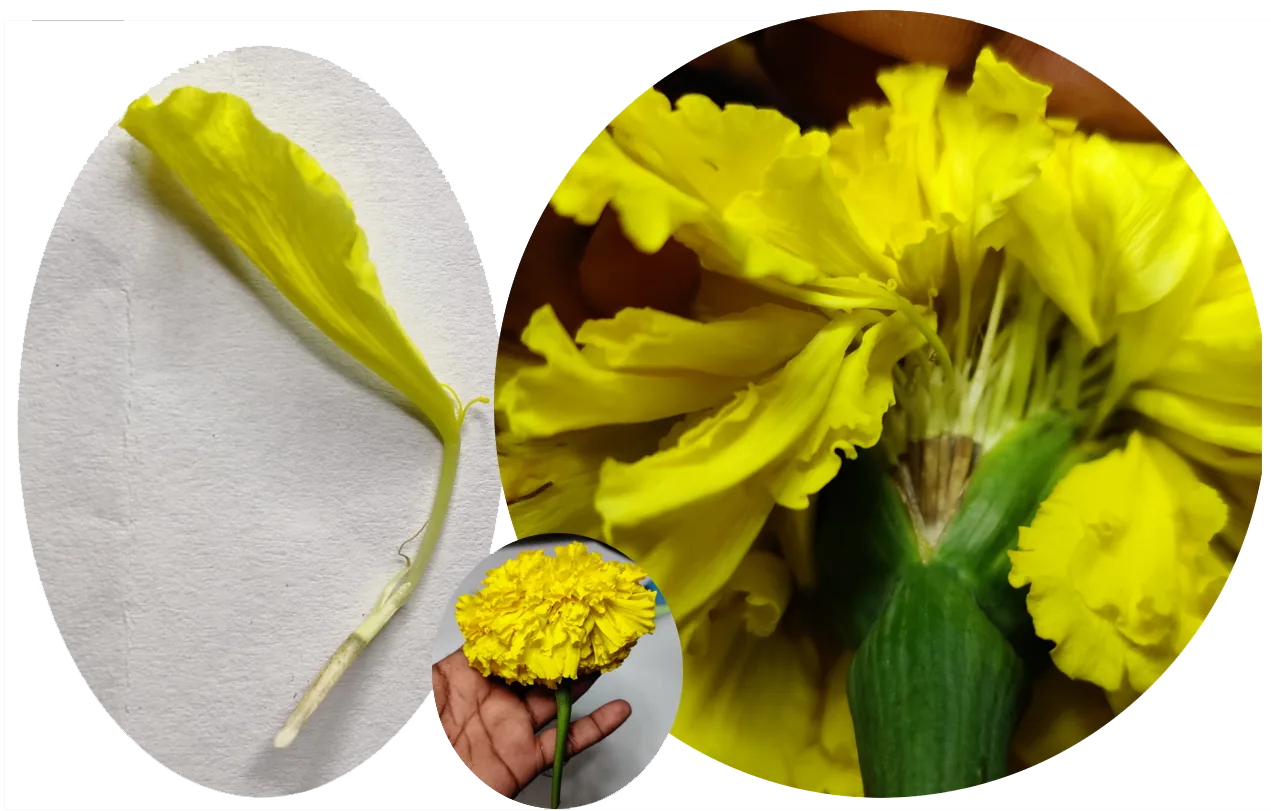
Many take a conscious call to nip the black heads, as they want the richness of the colour to be total in its exhibition. Some others mix and axe the petals into tiny bits so that the black heads are outnumbered in the number of bits. Here again, the approach, resources and time paradigms would help us take a call on the approach.
Note 7 : The Placement
Each colour has a significant role to play. In isolation one colour alone may not give us the confidence to proceed. Yet, it has to be a structured approach.
(a) Never drop, scoot, scrap the entire exercise based on the early placements. You will constantly get the feeling that things are not working out as well as you had envisaged. Patience is a key virtue to be exhibited here. Trudge along. Remain focused. Keep doing as planned.
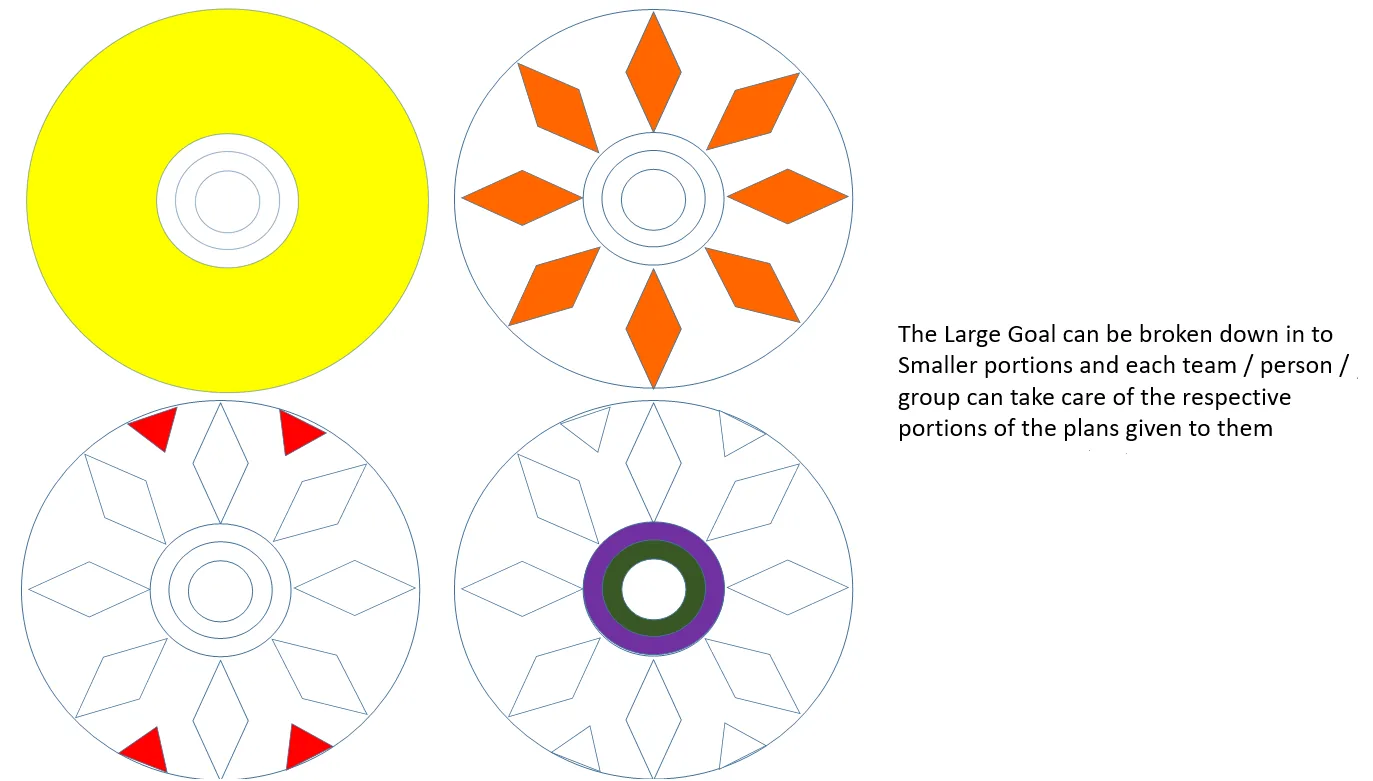
(b) The eyes keeps looking out for the benchmark contours and believes that achieving that contour would qualify to be a success milestone. Yet, as we try to grapple with this, the larger the petals are, the more difficult this task becomes. It is much later that we learn that two sets of petals have to be let to push against each other. In so doing, small voids or tiny gaps of black are created, appearing black in the eye of onlooker. The magical “Contours” appears.
(c) The more of a variety, the richer the colour looks. Typically these pookalams are placed in bright places, where sunlight or light falls on the arrangement. Light plays a vital role in colour perception. This is what delivers the requisite effect to the stakeholders.
(d) Alignment / Correction can always be done during the course of placement. It is during this time that we invariably find shortage of resources. There are times when the organizing / placement of flowers comes to a standstill because our assessment.
(e) Designs undergo a change and a lot of spontaneous ideas start coming as the arrangement starts taking shape. The tempo, rigour, energy levels rises with positive reassurances from each stakeholder. Participation levels start rising. The initial reticence gives way to positivity. Somebody has to ensure that the group is held together till the initial apprehensions are broken down towards a ‘Self-Governed” mode of operation, when the path, capability and goal congruence begins to emerge.
(f) Trust each participant to do their role. The trust has to be total. Only then will the time goal be achieved.
(g) Ideally, each participant takes care of one portion OR one colour. This way, their focus and congruence is quicker and easier. The more success milestones that each participant sees, the quicker is the rate of incremental milestones.
(h) There has to be one time slot OR resource, who will exclusively focus on the alignment, correction, beautification, to ensure symmetries.
(i) Once removed from the plant, the time / life for the flowers starts ticking, and hence there is an ideal period within which the entire arrangement has to be completed for it look its best. Of course, curating flowers is another option altogether. To place them in its natural state, needs quite an effort.
(j) Moreover, the best way to complete the arrangement is to start from the interior and build outwards. However, this is true especially in very large matrices of 4 ft X 4 ft or greater.
Note 8 : The Cleaning / Cleansing
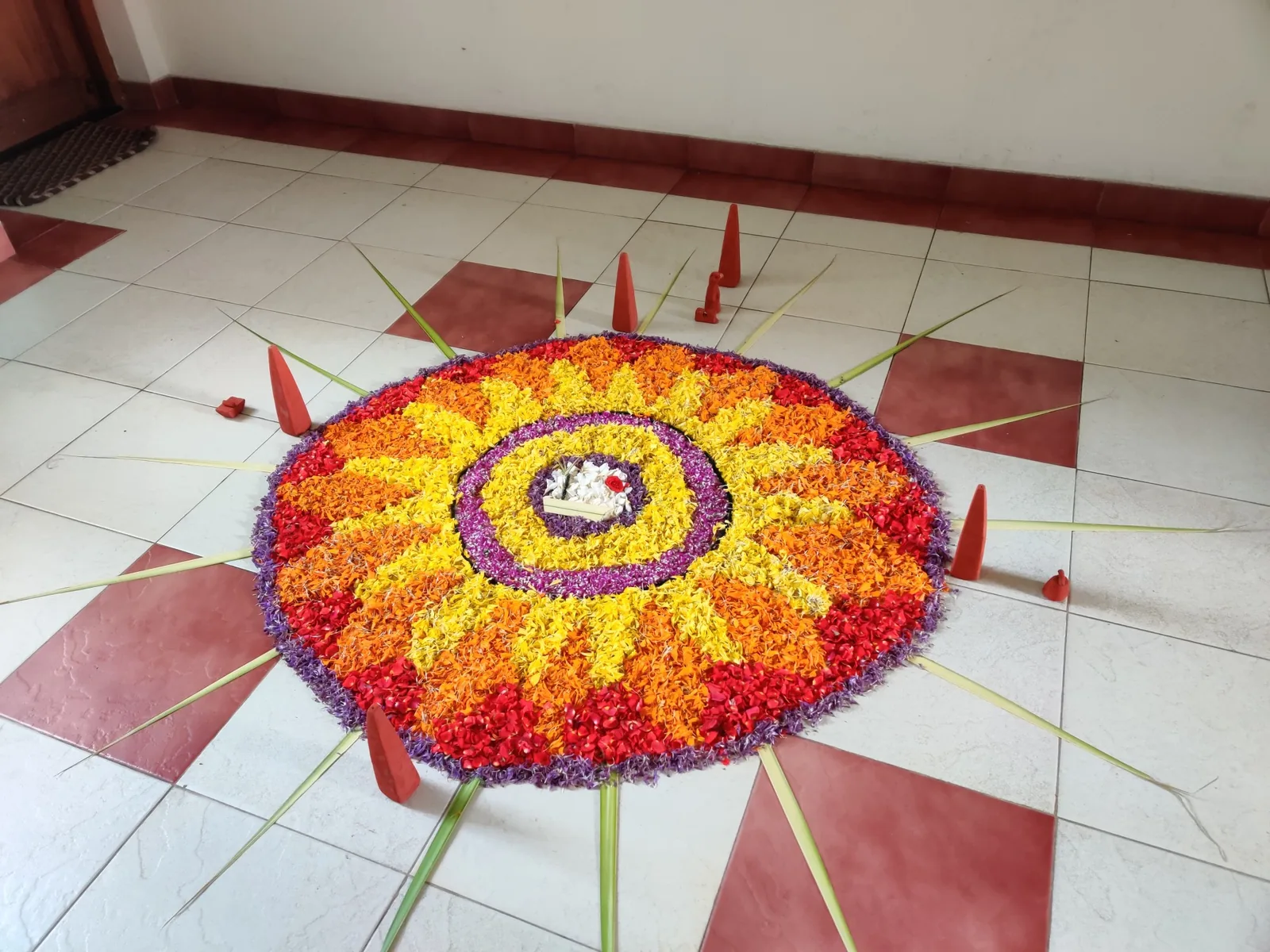
After completing the floral decorations, there will be smudges, squashed flowers, mashed flowers, remnants of the flower etc., all around the floral arrangement. This is an inherent part of the exercise.
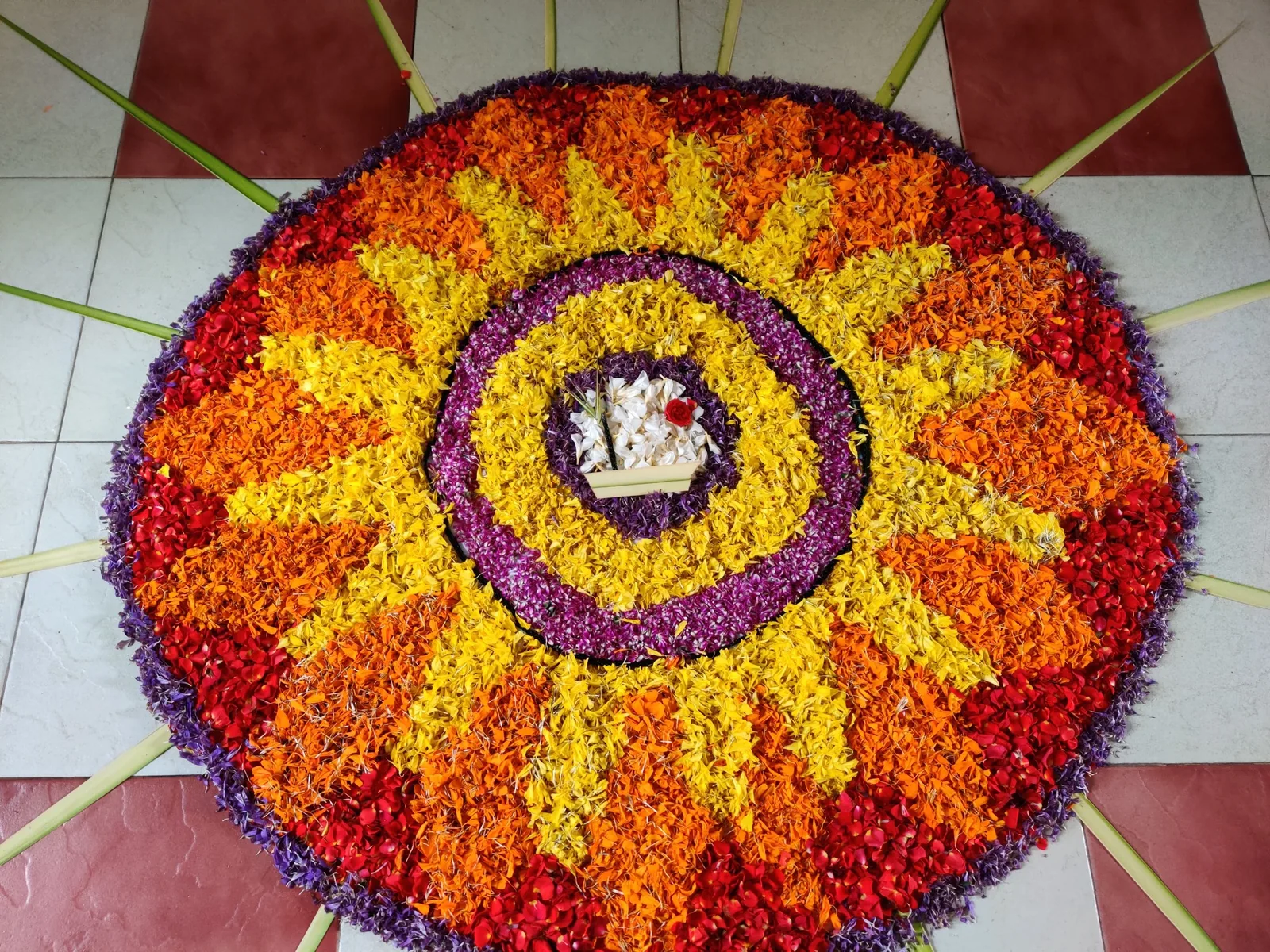
To clean them, and ensure that the surrounding is also reflecting the same brightness as the floral arrangement is the need to the hour. There are bound to be last minute upsets as part of the cleaning. Prudence is in anticipating them.
*************************************************************************
A Note of Summary
I have consciously steered clear of making any inferences to the experiences we may have in the world of finance. Yet, trust me, when I re-read many of these lines and found them to be applicable truths in our respective worlds too..
This is only an experience of learning a new skill / hobby / activity / touch-base to culture, with my personal notations. These are likely to be coloured with my perspectives / experiences. Are you able to see a different view? Do you see something I have missed ? Do let me know…. I’d be quite glad to add a few more arrows to my quiver.
Archive note
This essay was restored from Vivek Krishnan’s LinkedIn archive. Its original wording and available visuals have been preserved.
This page is now the permanent canonical edition within Vivek Perspective.