At a recent gathering, I was asked to speak on " Fraud Prevention in Farm Equipment Financing ", and this was more of an impromptu talk with little time to prepare.
Yet, I gathered and covered the talk in points of Observation, in the background of Rural and Farm Financing :
Observation 1 : Frauds are Cultivated
Let's take a report that came in the papers earlier this year.
"The state agriculture department is investigating all agriculture insurance fraud claims made by farmers for the Khareep and Rabbi seasons after it came to light that in Beed district alone, Rs 58 crore insurance money was claimed illegally and banks had to reverse that amount to the state exchequer.
According to a report on the incident, over 15,000 farmers from the district had fraudulently claimed insurance for a larger area of cultivation, or for premium paid for crops they hadn’t even sowed. The episode was investigated when it emerged that the cultivated land shown as insured was much higher than the area available for cultivation in the district."
* - This is quoted. So I haven't touched the Spelling mistakes :)
We would in most instances tag location of "BEED" being faulty with intent, but here it was the system which was at fault which did not have a proper land and crop verification process. Moral principle of uberrimae fidei would definitely apply and that is probably why the reversal was accepted.
Yet if you trace it back to its roots, you will find that the idea of misuse would have generated because the lack of process / hollowness of the process has been spotted. This is no justification. Yet an oppurtunity is born this way. Pressure and Rationalization is constant… It is an invite to embezzle.
In a land where Agri requirements are huge and satisfaction of needs is lower, and when basic survival is at stake, morals have a boundary of effect. It is therefore found that frauds are often clustered and not one off.
Lesson : Clustered / Group Frauds are more indicative of Process Lapses than Intent.
Observation 2 : Theory of “Win -Win”
Here’s a small story, which I believe exists in every organization :
Mr. Herb was audited by his employer at the time, Allstate Insurance, because his clients were so happy. The company was sure he must be overpaying their claims. Mr. Herb convinced company officials that he cut out several steps the company generally insisted upon because he took a realistic look at the claim, the legal and medical proof the claimant had, and then while treating the client fairly, he paid them off without haggling.
The company saved in the long run by not spending for court investigations and extra medical exams, the clients believed they were being treated with dignity and respect, and everybody came away a winner
It was Mr. Herb who first coined the term – “Win-Win” in 1963.
Leave alone the customer – How many points of connect does your process have ? How many fractures does your process have ? Have you prepared the ground for a competitive battle ?
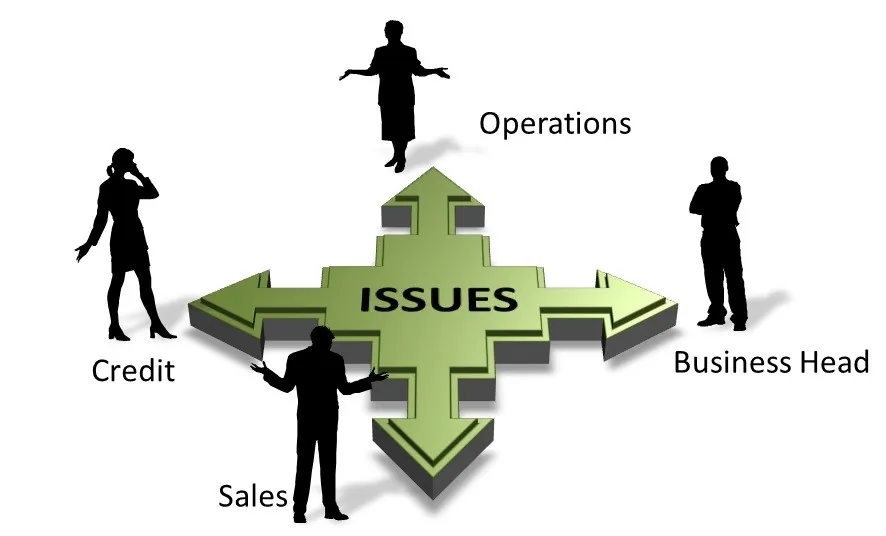 Rural Marketing today from the financier's perspective is about time and effort. If processes are not reviewed internally, it is likely to cause frustrations within the system which is trying to deliver.
Lesson : Marking to Market is very important. If this is done through constant self introspection, the process moves seamless.
Alignment of every department to this ideology of win-win is critical irrespective of whether they face the customer directly or otherwise.
This is effective prevention mechanism. Exception handling through checking of "frustration" points within the system. We talk of Prevention rather than Cure.
Continued...
Archive note
This essay was restored from Vivek Krishnan’s LinkedIn archive. Its original wording and available visuals have been preserved.
This page is now the permanent canonical edition within Vivek Perspective.